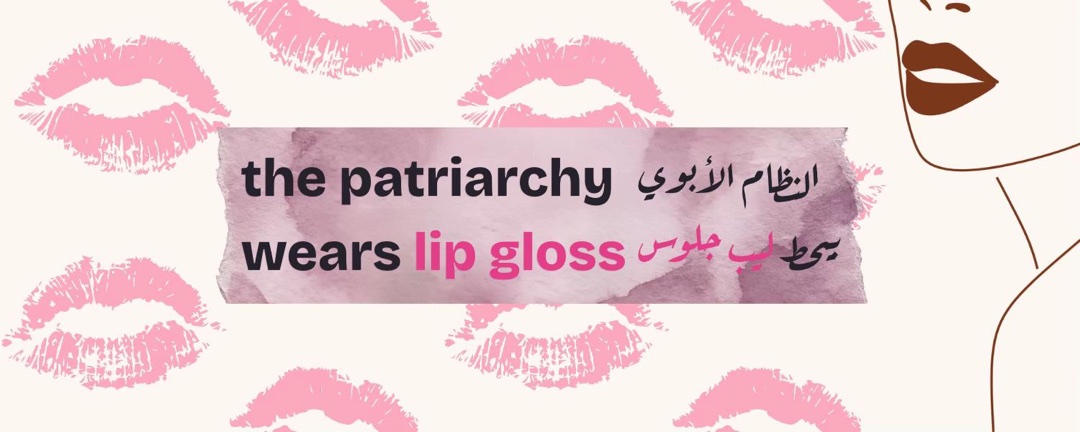
قراءة مختصرة للمنشور
«مين حط الجندر في علبة المكياج؟» البوست بيتابع إزاي وصلنا من استخدام الكحل في مصر القديمة لتسويق الآيلاينر والروج والليب جلوس على إنهم منتجات للستات.
فيه فرق مهم جدًا بين جملتين شكلهم قريب من بعض، لكن علميًا وتاريخيًا هما حاجتين مختلفتين تمامًا:
«الـeyeliner والـlip gloss والـlipstick بيتسوّقوا النهارده في الغالب للستات» — دي ملاحظة عن السوق والثقافة الحالية.
و«الـeyeliner والـlip gloss والـlipstick منتجات نسائية بطبيعتها، وبالتالي استخدام الراجل ليهم ينفي رجولته أو يكشف ميوله الجنسية» — دي دعوى أكبر بكتير، ومحتاجة دليل بيولوجي أو تاريخي أو نفسي لا يوفره مجرد إن الشركة كتبت Women على العبوة.
التاريخ نفسه كفاية عشان يبين إن العلاقة بين مستحضرات التجميل والجندر مش ثابتة: الرجال والنساء في مصر القديمة استخدموا مستحضرات تجميل، ومن ضمنها الكحل؛ رجال الطبقات العليا في أوروبا وأمريكا في فترات تاريخية استخدموا مستحضرات للوجه؛ ومعايير المكياج اتبدلت مرارًا حسب الزمن والطبقة والثقافة. وفي علم النفس والصحة، الـgender expression مختلف أصلًا عن الـbiological sex، والـgender identity، والـsexual orientation؛ منظمة الصحة العالمية بتقول صراحةً إن الـsexual orientation لا يمكن استنتاجه من الـgender expression. فلو عايزين نقاش جاد، السؤال مش: «العلبة مكتوب عليها نسائي ولا لأ؟» السؤال الأدق هو: إيه اللي يخلي منتج معين ياخد معنى «أنثوي» أو «ذكوري» في مجتمع معين، وهل المعنى ده صفة طبيعية في المنتج ولا تصنيف اجتماعي وتسويقي قابل للتغير؟
قبل أي حاجة: إيه اللي التاريخ يثبتُه فعلًا؟
أقوى مثال قريب مننا هو مصر القديمة. الـBritish Museum بيذكر بشكل مباشر إن الرجالة والستات في مصر القديمة كانوا بيستخدموا المكياج والمجوهرات، وإن الطرفين استخدموا الـblack kohl لتحديد العين وتغميق الرموش. والـMetropolitan Museum of Art بيعرض أنبوبة كحل من عصر الدولة الحديثة، حوالي 1550–1300 قبل الميلاد، مملوكة لرجل ذي منصب ديني رفيع اسمه Djehutymose، ويذكر المتحف بوضوح إن الرجال مثل النساء كانوا بيستخدموا مستحضرات التجميل. وده مش مثال منفرد. الـMet عنده وعاء كحل من دفن الكاتب Amenemhat، وبيوصف الكحل نفسه بأنه eye makeup «استخدمه الرجال والنساء». وعاء تاني من عصر الدولة الوسطى موصوف بنفس الطريقة: مستحضرات التجميل كانت جزءًا مهمًا من التجمّل عند الجنسين. وده مهم جدًا، لأن المثال المصري القديم لوحده يهدم فكرة إن تحديد العين بمادة داكنة = أنوثة بالضرورة. المنتج أو التقنية ممكن ياخدوا معنى مختلف تمامًا في مجتمع مختلف. في السياق المصري القديم، الكحل ارتبط بالتجمّل، والطقوس، والمكانة، وفي بعض الحالات بوظائف وقائية أو علاجية متصوَّرة؛ مكنش مجرد «علامة نسائية» بالمفهوم الحديث. بس لازم الدقة هنا: لما نقول إن المصريين القدماء استخدموا مواد لتلوين العين أو الشفاه، مينفعش نتصرف كأنهم كانوا بيشتروا Maybelline eyeliner أو MAC lipstick بالمعنى الصناعي الحديث. إحنا بنتكلم عن سلف وظيفي أو ممارسة مشابهة، مش نفس المنتج التجاري والتركيبة والتغليف اللي ظهرت بعد آلاف السنين.
ونفس الحذر ينطبق على الشفايف. فيه أدلة أثرية ونصية على استخدام أصباغ حمراء للوجه والشفاه في العالم القديم، لكن الأفضل نسميها lip colour / lip paint / lip pigment بدل ما نسمي كل مادة حمراء قديمة «lipstick» بالمعنى الحديث. الدراسة المنشورة في Scientific Reports سنة 2024 عن مادة حمراء من جنوب شرق إيران، مؤرخة تقريبًا بين 1936 و1687 قبل الميلاد، وصفتها الباحثون بأنها lip-colouring preparation تشبه في تركيبتها بعض وصفات الـlipstick الحديثة، لكنها لم تزعم إننا بنتعامل مع tube lipstick حديث. والأهم إن الباحثين قالوا بوضوح إن هوية وجنس مستخدم المادة غير معروفين بسبب ظروف الاكتشاف، وبالتالي مفيش أساس ننسبها حصريًا للنساء. وفي الصين القديمة كمان، التحليل الأثري لمواد تجميل من مقابر Xiaohe في Xinjiang كشف عن cosmetic sticks حمراء من العصر البرونزي، بينما دراسة أحدث لمادة من عصر Tang وجدت beeswax ومكونات تانية تتوافق مع مستحضرات للوجه أو الشفاه. ده مش دليل على إن كل الثقافات كانت بتستخدم نفس المنتجات أو بنفس المعاني الجندرية؛ بالعكس، هو دليل على إن تلوين الوجه والشفاه ممارسة ثقافية قديمة ومتنوعة جدًا، مش اختراع حديث محصور في هوية جندرية واحدة. الدليل هنا واضح: استخدام مستحضرات الوجه تاريخيًا لم يكن دائمًا حكرًا على النساء، ومعاني التجميل اتغيرت من زمن لزمن.
التفسير الاجتماعي اللي نقدر نبنيه على الدليل: لو شيء زي تحديد العين كان مقبولًا عند الرجال في مجتمع، ومرفوضًا عند الرجال في مجتمع آخر، يبقى «أنوثة الـeyeliner» مش خاصية فيزيائية موجودة جوه القلم نفسه؛ هي معنى ثقافي بنضيفه إحنا للمنتج.
والـLipstick والـLip Gloss تحديدًا: تاريخهم أعقد من «منتجات الستات من الأزل»
تلوين الشفاه أقدم بكتير من الـmodern lipstick، لكن الـmodern commercial lipstick نفسه نتيجة تطورات صناعية في أواخر القرن التاسع عشر وبدايات القرن العشرين: تصنيع جماهيري، أصباغ، شموع وزيوت، وتغليف يسمح بحمل المنتج واستخدامه بسهولة. الـSmithsonian National Museum of American History بيذكر إن الـmetal lipstick cases بدأت تحل محل التغليف الورقي حوالي 1915، وإن William G. Kendall سجّل براءة اختراع سنة 1917 لآلية تسمح بدفع الـlipstick إلى خارج العبوة. البراءة الأصلية نفسها بتوصف «lip stick holder» فيه أنبوبة وحامل متحرك للـstick. وده يخلي واحدة من القصص الشعبية عن تاريخ الـlipstick محتاجة تصحيح: كتير من المقالات بتنسب «اختراع أنبوبة الـlipstick سنة 1915» بشكل قاطع إلى Maurice Levy. المصادر التاريخية متضاربة في الجزئية دي، بينما عندنا توثيق أوضح لبراءة Kendall في 1917؛ فالأدق إننا نقول إن التغليف المعدني الحديث اتطور خلال العقد ده، بدل ما نحول رواية تجارية متنازع عليها لحقيقة مطلقة. أما الـlip gloss، فهنا عندنا claim مباشر من Max Factor نفسها. صفحة تاريخ العلامة بتقول إن الشركة طورت في أبريل 1928 منتجًا اسمه Lip Pomade، وإنه عُرف لاحقًا باسم lip gloss، وكان الهدف منه إعطاء شفايف ممثلات السينما لمعانًا جذابًا أمام الكاميرا. يعني الادعاء اللي اتقال قبل كده عن سنة 1928 له سند رسمي من الشركة نفسها. لكن لازم نفهم معنى ده صح: كون الـlip gloss الحديث اتطور في بيئة Hollywood واتسوّق أساسًا للممثلات والنساء يشرح ليه المنتج اكتسب دلالة أنثوية قوية في القرن العشرين؛ لكنه لا يحوّل اللمعان نفسه إلى صفة بيولوجية أنثوية.
نفس الشيء ينطبق على الـlipstick. في عشرينيات وثلاثينيات القرن العشرين أصبح أحمر الشفاه جزءًا بارزًا من الصورة النسائية الحديثة في الإعلانات والسينما. متحف V&A يوضح مثلًا إن الـlipstick كان عنصرًا مركزيًا في صورة Elizabeth Arden الجمالية في الثلاثينيات، بينما الـSmithsonian بيوثق إزاي انتشار العبوات المحمولة، السينما، وصعود الـflapper culture ساعدوا في جعل المكياج الظاهر أكثر قبولًا وانتشارًا عند النساء. لكن التاريخ قبل كده كان مختلف. الـSmithsonian National Museum of American History بيقول إن الرجال والنساء من الطبقات العليا في أمريكا في القرن الثامن عشر كانوا بيستخدموا المكياج، وإن المكياج الملون الظاهر أصبح أقل قبولًا اجتماعيًا عند الجنسين بعد الثورة الأمريكية. يعني حتى في التاريخ الغربي الحديث نسبيًا، الربط «الطبيعي» بين مستحضرات الوجه والنساء مش خط مستقيم ممتد من بداية التاريخ لحد النهارده. وفي فرنسا في القرن الثامن عشر، البحث التاريخي المنشور عبر Cambridge بيوثق إن الرجال من النخب استخدموا rouge ومواد تجميل، وإن الانتقادات الموجهة للمكياج الرجالي نفسها كانت بتتهم الرجال بأنه «يؤنثهم»؛ ومع أواخر القرن الثامن عشر بدأت أشكال المكياج الملون تقل بين الرجال، بينما استمروا في شراء كريمات الوجه ومنتجات الشعر. يعني حتى فكرة «الراجل اللي بيتزين يبقى feminine» ليها تاريخ اجتماعي؛ مش ملاحظة بيولوجية اكتشفها العلم. وده مثال مهم: أحيانًا الناس بتتعامل مع «الرجولة الطبيعية» كأنها شيء ثابت، بينما التاريخ بيورينا إن المجتمعات نفسها بتعيد تعريف الشكل المقبول للراجل.
هل الحرب العالمية التانية هي اللي «اخترعت» إن المكياج حريمي؟ لأ — ودي نقطة لازم تتصحح
القول إن «المكياج بقى حريمي بسبب ما بعد الحرب العالمية التانية» مبالغة تاريخية.
الـgendering بتاع مستحضرات التجميل أقدم من الحرب بكتير. في القرن التاسع عشر مثلًا كان المكياج الظاهر في أمريكا مرتبطًا أحيانًا بالابتذال أو بالدعارة، بينما النساء المحترمات كان متوقع منهم يحققوا مظهرًا «طبيعيًا» بطرق أكثر خفاءً. من أواخر القرن التاسع عشر وبدايات القرن العشرين ظهرت شركات تجميل موجهة بصورة متزايدة للنساء، ومع استقلال نساء أكتر اقتصاديًا ودخولهن سوق العمل اتسع السوق الاستهلاكي. وفي العشرينيات، قبل الحرب العالمية الثانية بسنين، السينما، الـflappers، وتطور العبوات المحمولة ساعدوا على جعل الـlipstick والrouge علامات واضحة للأنوثة الحديثة. إذن الحرب لم تخترع الربط بين المكياج والأنوثة.
لكن الحرب العالمية الثانية مهمة لأنها قوّت وربطت المكياج بنموذج أنثوي محدد في الثقافة الأمريكية. الـSmithsonian بيوثق إن ملايين النساء دخلوا سوق العمل أثناء الحرب، وفي نفس الوقت ظهرت إعلانات وحملات تجنيد بتقدم العاملة أو الممرضة وهي حاطة lipstick وmascara؛ الرسالة كانت تقريبًا: الست ممكن تشتغل في أدوار جديدة، لكن مطلوب منها في الوقت نفسه إنها تحافظ على مظهر أنثوي واضح. وبعد الحرب، يذكر المتحف إن نحو 80–90% من النساء الأمريكيات كنّ يستخدمن lipstick، وإن شركات زي Revlon وAvon استفادت من العادة اللي أصبحت مترسخة. فالقراءة الأدق هي:
قبل WWII: كان فيه بالفعل سوق تجميل مؤنث ومعايير جندرية قوية.
أثناء وبعد WWII: اتسع الاستهلاك الجماهيري، واتربط المكياج بقوة أكبر بهوية المرأة الحديثة في الإعلانات والثقافة الشعبية.
دي صياغة تاريخية أدق من «الحرب هي اللي خلت المكياج حريمي».
طيب إيه علاقة الـGendered Marketing والرأسمالية الاستهلاكية بالموضوع؟
هنا إحنا بندخل من التاريخ إلى علم التسويق.
الشركات مش بتبيع «مادة» بس؛ بتبيع معنى، وهوية، وصورة للمستهلك. البحث الأكاديمي في advertising بيوثق إن المعلنين بيستخدموا عشرات الإشارات المختلفة عشان يعملوا gender typing للمنتجات: ألوان، أسماء، شكل العبوة، الشخصيات الموجودة في الإعلان، اللغة، طريقة التصوير، الفوائد اللي بيتم التركيز عليها، ونبرة الخطاب. مراجعة أكاديمية للدراسات بين 1973 و2019 وجدت على الأقل 22 نوعًا من الـcues اللي بيستخدمها الإعلان في «gendering» المنتجات. وده مش مجرد موضوع قديم. بحث منشور في Journal of Marketing Research سنة 2025 درس الـgender-neutral marketing ولقى إن إزالة التقسيم الثنائي الصريح في التسويق ممكن تقلل اعتماد المستهلكين على gender stereotypes وهم بيقيّموا المنتج. بمعنى آخر: طريقة تقديم المنتج نفسها قادرة على التأثير في طريقة فهمنا له. وده يخلي حجة «العلبة مكتوب عليها Women، إذن علميًا المنتج حريمي» تقلب العلاقة رأسًا على عقب.
كلمة Women على العبوة هي دليل على استهداف تسويقي.
هي لا تتحول تلقائيًا إلى دليل على ضرورة بيولوجية.
شركة ممكن تعمل razor «for men» وrazor «for women» رغم إن الوظيفة الأساسية للمنتجين واحدة. الحكومة الأمريكية نفسها درست منتجات متمايزة جندريًا، ووجدت إن الشركات كثيرًا ما تغيّر صفات زي اللون أو الرائحة عشان تخاطب الرجال والنساء كأسواق منفصلة. إذن العبوة بتقول لك غالبًا مين الـtarget demographic اللي الشركة عايزة تبيع له، مش مين الإنسان الوحيد اللي جسمه مسموح له يستخدم المادة.
وده بالضبط معنى market segmentation: تقسيم جمهور محتمل إلى شرائح مختلفة ثم تصميم المنتج أو التغليف أو الرسالة التسويقية بما يناسب الشريحة المستهدفة.
فلو eyeliner مكتوب عليه “for women”، ده يثبت إن الشركة قررت position المنتج في سوق نسائي. لكن عشان تستنتج من ده إن «الرجل اللي يستخدمه لم يعد رجلًا»، لازم تقدم حلقة مفقودة تمامًا: إزاي قرار تسويقي لشركة يغيّر جنس الإنسان أو هويته أو ميوله؟
مفيش حلقة علمية من النوع ده.
وده مش معناه إن التسويق «اخترع» كل فروق الجندر من الصفر، ولا إن المجتمع مجرد ضحية سلبية للإعلانات. العلاقة تبادلية: الإعلانات بتستغل معايير موجودة، وفي الوقت نفسه بتكررها وتثبتها وتعيد إنتاجها. الدراسات عن advertising نفسها بتتكلم عن قدرة الإعلان على تعزيز الصور النمطية، وفي نفس الوقت عن قدرة التحولات الاجتماعية على إجبار الصناعة إنها تغيّر الصورة اللي بتعرضها. يعني بدل النموذج البسيط:
«الشركات اخترعت إن ده حريمي»
الأدق نقول:
«المجتمع، التاريخ، الاقتصاد، الموضة، والمؤسسات التسويقية بيأثروا في بعض، وبيصنعوا مع بعض معنى المنتج كـmasculine أو feminine».
والـPatriarchy والـHegemonic Masculinity؟ هنا لازم نفرّق بين الدليل والتفسير
مصطلح patriarchy مش معناه ببساطة «الرجالة وحشة» أو «أي حاجة مش عاجباني سببها النظام الأبوي». في دراسات الجندر، المفهوم بيستخدم لتحليل علاقات قوة وهياكل اجتماعية بتدي قيمة وسلطة مختلفة للأدوار الذكورية والأنثوية.
والـhegemonic masculinity، في الصياغة الكلاسيكية لـR. W. Connell وتطويرها مع James Messerschmidt، مش معناها إن كل الرجال بيتصرفوا بطريقة واحدة. العكس: النظرية بتتكلم عن multiple masculinities، وعن إن فيه نموذجًا ثقافيًا بيُقدَّم في ظرف اجتماعي معين باعتباره «الطريقة الأكثر احترامًا أو شرعية لكونك رجلًا»، حتى لو معظم الرجال نفسهم مش بيطابقوه بالكامل. والنموذج بيتغير تاريخيًا ومحليًا. من هنا نقدر نفهم ظاهرة مألوفة جدًا: الراجل مش بس بيتقال له «خليك قوي»، لكن أحيانًا بيتحدد له كمان إيه اللي ممنوع يعمله عشان يفضل محسوب «راجل»: متبكيش، متبانش حساس، متلبسش كذا، متحطش كذا، متستخدمش لون معين.
منظمة الصحة العالمية نفسها بتتكلم عن rigid notions of masculinity وبتقول إن بعض معايير الذكورة الصارمة ممكن يكون لها آثار سلبية على صحة الرجال وسلوكهم، بما في ذلك تجنب طلب الرعاية الصحية أو تبني سلوكيات خطرة. إذن لما حد يقول:
«الراجل لو حط lipstick أو gloss أو eyeliner يبقى مش راجل»
ممكن نفهم الجملة سوسيولوجيًا باعتبارها policing of masculinity: محاولة فرض حدود معينة على المظهر المقبول للرجل.
ودي قراءة تفسيرية مبنية على أدبيات masculinity؛ مش «تجربة معملية» بتثبت إن كل شخص بيقول الجملة دي واعي بفكرة patriarchy أو بيقصد يدافع عنها.
والنقطة الأهم: حتى لو المجتمع فعلًا بيربط الـlipstick بالأنوثة، ده لا يعني إن الشخص اللي كسر القاعدة تحوّل بيولوجيًا، ولا إنك عرفت ميوله الجنسية.
القاعدة الاجتماعية مش اختبار معملي.
الـSex والـGender Identity والـGender Expression والـSexual Orientation مش نفس الحاجة
دي من أهم نقاط النقاش، لأنها بتمنع خلط أربع حاجات مختلفة في جملة واحدة.
منظمة الصحة العالمية بتفرّق بين:
Sex: صفات بيولوجية وفسيولوجية، منها جوانب مرتبطة بالكروموسومات والهرمونات والتشريح التناسلي.
Gender: الأدوار والمعايير والسلوكيات والصفات اللي المجتمع بيربطها بالرجال والنساء، واللي بتختلف بين المجتمعات وبتتغير بمرور الوقت.
Gender identity: الخبرة الداخلية للشخص بهويته الجندرية.
Gender expression: الطريقة اللي الشخص بيقدم بيها نفسه اجتماعيًا، ومنها الملابس والمظهر وطريقة الكلام.
Sexual orientation: نمط الانجذاب العاطفي أو الرومانسي أو الجنسي تجاه الآخرين. والـWHO بتقول صراحةً إن sexual orientation لا يمكن افتراضه من الجنس المحدد عند الولادة أو الـgender identity أو الـgender expression. فالاستنتاج:
«حاطط eyeliner → gay»
أو:
«حاطط lipstick → مش راجل»
أو:
«حاطط lip gloss → أكيد هويته الجندرية كذا»
مش استنتاجات علمية.
هي stereotypes.
راجل ممكن يبقى heterosexual ويحط makeup.
راجل ممكن يبقى gay ومبيحطش نقطة makeup.
شخص ممكن يستخدم lipstick كجزء من fashion أو performance أو subculture أو ببساطة لأنه عاجبه شكله.
ولا واحد من المنتجات التلاتة عبارة عن جهاز تشخيص للـsexual orientation.
وده كمان يوضح ليه البطاقة الشخصية مش حجة في الموضوع. لو البطاقة بتسجل إن شخص ذكر، فهي لا تحتوي ضمنيًا على «قائمة مستحضرات تجميل ممنوع استعمالها». تسجيل الجنس القانوني أو البيولوجي شيء؛ اختيار منتج تجميلي شيء آخر.
نرجع لحجة العبوة نفسها: «مكتوب Women، يبقى ده للستات وبس»
دي أقوى نقطة تستحق الرد مباشرة ومن غير هجوم على صاحبها.
لو أنا ماسك منتج مكتوب عليه Women، فيه حاجتين نقدر نقولهم بثقة:
أولًا، الشركة غالبًا بتستهدف النساء تجاريًا.
ثانيًا، التغليف نفسه جزء من استراتيجية تسويقية بتربط المنتج بجمهور محدد.
لكن منطق:
«Women on package → female product → male user cannot be male»
فيه قفزة ضخمة بين الخطوة التانية والتالتة.
لو شركة كتبت Men على moisturiser، ده لا يجعل مادة الترطيب نفسها ذات كروموسومات XY.
ولو perfume مكتوب عليه Pour Homme، ده بيحدد positioning ورائحة وتصورًا تسويقيًا لجمهور معين؛ مش قانونًا بيولوجيًا يمنع امرأة من استخدامه.
ولو razor عليه For Women، فلن تتغير وظيفة الشفرة الفيزيائية لو استخدمها رجل.
إذن كلمة Women حقيقية ومهمة — لكن معناها marketing category، مش natural law.
وده بالضبط ليه تاريخ المكياج مهم في النقاش: لأن التاريخ يورينا إن الأشياء اللي إحنا شايفينها النهارده «واضحة وبديهية» كانت بتاخد معاني مختلفة في أوقات تانية.
الـkohl كان موجود عند رجال ونساء في مصر القديمة. الرجال والنساء من الطبقات العليا استخدموا makeup في أمريكا القرن الثامن عشر. رجال من النخب الفرنسية استخدموا rouge وface cosmetics في القرن الثامن عشر قبل ما تتغير معايير الرجولة وتبتعد أكثر عن الزينة الملونة. وبعدين في القرن العشرين اتضخم سوق التجميل النسائي، والسينما والإعلانات والصناعة ساهموا في تثبيت منتجات بعينها كرموز للأنوثة. فإحنا مش بنقول إن «الـlipstick مش أنثوي في الثقافة الحالية». في أجزاء كبيرة من العالم اليوم هو فعلًا strongly feminised culturally.
إحنا بنقول حاجة أدق:
كون الشيء feminine-coded ثقافيًا لا يجعله female-only بيولوجيًا.
ودي نقطة مختلفة تمامًا.
وآخر تصحيح: Pinkwashing وPink Tax وGendered Marketing مش synonyms
لو بنتكلم عن إن الشركات بتعمل عبوة وردي للستات وسودا للرجالة، أو بتكتب “for her” و“for him”، فالمصطلح المناسب غالبًا هو Gendered Marketing أو Gendered Product Positioning. الدراسات بتوثق إزاي المعلنين بيستخدموا اللون، اللغة، الصور، التصميم، والرسائل عشان يخلقوا أو يعززوا إحساس إن منتج ما «للرجالة» أو «للستات». Pink Tax حاجة تانية. المصطلح بيستخدم لوصف حالات منتجات أو خدمات موجهة للنساء بتكون أغلى من نظائر قريبة موجهة للرجال. دراسة مدينة نيويورك قارنت قرابة 800 منتج ووجدت إن المنتجات الموجهة للنساء كانت أغلى في المتوسط عبر الفئات التي فحصتها؛ لكن تقرير الـU.S. Government Accountability Office نبّه إن فروق الأسعار مش دايمًا نقدر ننسبها ببساطة للتحيز، لأن الحجم والخصائص والطلب والتكاليف وغيرها ممكن تدخل في السعر. يعني المصطلح لازم يُستخدم بحذر، مش كأنه «ضريبة رسمية» موجودة في كل سعر. أما Pinkwashing فمصطلح مختلف أصلًا. في الاستخدام الشائع في سياق LGBTQ+، هو وصف نقدي لجهة بتظهر دعمًا سطحيًا أو انتقائيًا لحقوق مجتمع الميم عشان تحسن صورتها أو تستفيد تجاريًا من غير التزام حقيقي كافي. فلو موضوعنا هو «ليه الـeyeliner مكتوب عليه Women؟» فالكلمة الأدق هي:
Gendered marketing.
مش Pinkwashing.
ولو المنتج النسائي أغلى من منتج شبهه للرجال:
ممكن ندخل في نقاش Pink Tax.
ولو شركة بتستخدم Pride branding بشكل سطحي لتحسين صورتها:
هنا ممكن نتكلم عن Pinkwashing.
التمييز مهم لأن استخدام المصطلحات صح بيقوي الحجة بدل ما يدي الطرف التاني ثغرة سهلة.
الخلاصة: إيه اللي الدليل بيقوله، وإيه اللي إحنا بنستنتجه منه؟
الدليل التاريخي بيقول إن استخدام مستحضرات الوجه لم يكن دائمًا مقسومًا بنفس الطريقة بين الرجال والنساء؛ الرجال والنساء استخدموا الكحل في مصر القديمة، واستخدام الرجال للمكياج ظهر في فترات تاريخية مختلفة في أوروبا وأمريكا. الدليل التاريخي على الشفاه بيقول إن تلوين الشفاه قديم جدًا، لكن لازم نفرق بين pigments وpaints القديمة وبين الـmodern industrial lipstick؛ والـmodern lip gloss نفسه له تاريخ صناعي واضح في القرن العشرين، مع claim موثق من Max Factor عن Lip Pomade سنة 1928. الدليل التسويقي بيقول إن الشركات بتعمل gendering للمنتجات من خلال التغليف والإعلانات واللغة والصور، وبالتالي عبارة «For Women» هي دليل على positioning واستهداف للسوق، مش دليل على خاصية بيولوجية في المنتج. الدليل من علم الصحة والجندر بيقول إن الـgender expression مختلف عن sex وgender identity وsexual orientation، وإن الميول الجنسية لا يمكن استنتاجها من طريقة التعبير الجندري. أما التفسير الاجتماعي فهو إن ربط الـeyeliner والـlip gloss والـlipstick حصريًا بالأنوثة مثال على gender norms اتكونت واتغيرت تاريخيًا، وساعدت المؤسسات الاجتماعية والتجارية في تثبيتها وإعادة إنتاجها. والـhegemonic masculinity بتوفر إطار لفهم ليه بعض المجتمعات بتحط حدود ضيقة على الشكل اللي «ينفع» الراجل يظهر بيه. وده لا يلزم أي حد إنه يحب المكياج على الرجالة.
ممكن ببساطة تقول: «أنا شخصيًا مش بحبه.»
دي ذائقة شخصية، ومفيش مشكلة فيها.
لكن فيه فرق بين:
«مش عاجبني.»
و:
«ده يخليك مش راجل.»
وفيه فرق أكبر بين:
«المجتمع بيصنفه feminine.»
و:
«إذن هو biologically female-only.»
الأولى وصف لثقافة.
التانية دعوى عن طبيعة الإنسان، والتاريخ والبحث العلمي لا يثبتوها.
فلو السؤال هو: هل الـeyeliner والـlip gloss والـlipstick مرتبطين بقوة بالأنوثة في التسويق الحديث؟
آه، في أسواق وثقافات كتير جدًا.
لكن لو السؤال هو: هل هم بطبيعتهم منتجات لا يمكن للرجل استخدامها من غير ما يتغير جنسه أو هويته أو ميوله؟
لأ.
الـlipstick ملوش جنس.
الـeyeliner ملوش sexual orientation.
والـlip gloss مش اختبار رجولة.
إحنا اللي بندي المنتجات دي معاني اجتماعية — والتاريخ نفسه بيورينا إن المعاني دي بتتغير.
المراجع
المتاحف والمصادر التاريخية
British Museum — Looking Good in Ancient Egypt — عن استخدام الرجال والنساء في مصر القديمة للمكياج والكحل. The Metropolitan Museum of Art — Kohl Tube and Applicator — أنبوبة كحل مرتبطة برجل ذي منصب ديني، مع توضيح استخدام الرجال والنساء لمستحضرات التجميل. The Metropolitan Museum of Art — Kohl Jar — كحل من دفن الكاتب Amenemhat ووصف استخدامه عند الرجال والنساء. Smithsonian National Museum of American History — Make-up — تاريخ المكياج في أمريكا، الرجال والنساء في القرن الثامن عشر، الحرب العالمية الثانية، وانتشار الـlipstick. V&A — Giving Face: Women’s Make-up Style and Status in the 1930s — الـlipstick وElizabeth Arden وثقافة الجمال في الثلاثينيات. Max Factor — Our Heritage — claim الشركة بأن Lip Pomade اتعمل سنة 1928 واتعرف لاحقًا باسم lip gloss. Smithsonian National Museum of American History — Richard Hudnut Lipstick Case — تاريخ العبوات المعدنية للـlipstick وبراءة Kendall. U.S. Patent — W. G. Kendall, Lip-stick Holder, 1917 — المصدر الأولي لبراءة اختراع حافظة lip-stick. الأبحاث الأثرية والتاريخية
Eskandari et al., Scientific Reports — A Bronze Age lip-paint from southeastern Iran — تحليل كيميائي وتأريخ لمادة تلوين شفاه من أوائل الألفية الثانية قبل الميلاد، مع الحذر من تحديد جنس المستخدم. Yang et al. — Characterization of cosmetic sticks at Xiaohe Cemetery — تحليل sticks تجميل حمراء من العصر البرونزي في Xinjiang. Martin, Cambridge University Press — Doctoring Beauty: The Medical Control of Women’s Toilettes in France, 1750–1820 — استخدام الرجال للمكياج وتغير معايير التزيّن الذكوري في فرنسا القرن الثامن عشر. الجندر والتسويق
Sandhu — Gendering Products Through Advertisements — مراجعة لعقود من دراسات gendering المنتجات في الإعلانات. Yin, Li & Su — The Effect of Gender-Neutral Marketing on Consumer Attribute Preference — بحث حديث عن أثر إزالة التصنيف الجندري الصريح من التسويق. Connell & Messerschmidt — Hegemonic Masculinity: Rethinking the Concept — المرجع الأكاديمي الأساسي لتطوير مفهوم hegemonic masculinity وتعدد أشكال الذكورة. World Health Organization — Gender and Health — تعريفات sex، gender، gender identity، gender expression، وsexual orientation، والتنبيه إلى عدم استنتاج الميول الجنسية من التعبير الجندري. Pink Tax وPinkwashing
New York City — From Cradle to Cane: The Cost of Being a Female Consumer — دراسة أسعار المنتجات الموجهة للرجال والنساء. U.S. Government Accountability Office — Gender-Related Price Differences — تحليل فروق الأسعار والتحذير من افتراض أن كل فرق سعري سببه gender bias. Collins English Dictionary — Pinkwashing — تعريف الاستخدام الشائع للمصطلح المرتبط بالدعم السطحي أو غير الصادق لقضايا LGBTQ+.